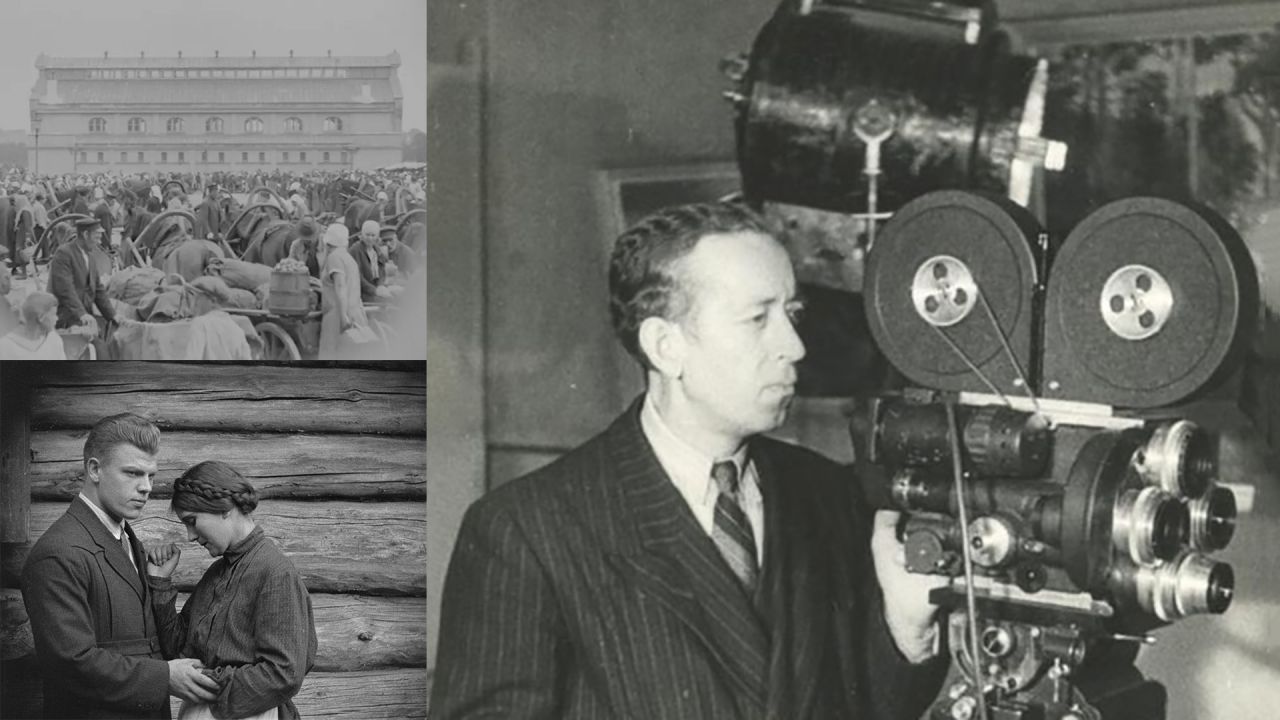
Käesoleval, 2026. aastal tähistame Eesti filmikunsti ühe rajaja, Konstantin Märska (1896–1951) ümmargust sünniaastapäeva. Operaatori, režissööri ja filmiettevõtjana aitas ta kujundada Eesti filmi esimesi aastakümneid ajal, mil siinset filmitootmist alles üles ehitati. Märska tegevus ulatus mängufilmidest dokumentalistika ja ringvaadeteni ning tema looming mängis olulist rolli Eesti varase filmi kujunemisel.
Märska puutus filmiga kokku juba varakult, töötades noorukina kinomehaaniku abilisena ning avastades enda jaoks filmikunsti tehniliste saladuste võlu ja võimalused. Oma esimeste filmiülesvõteteni jõudis ta juba 15-aastaselt omaenda ehitatud kaameraga. Koos venna Theodor Märska ning vendade Johannes-Georg ja Peeter Parikasega lõi ta 1919. aastal ühe esimese Eesti filmiettevõtte Estonia-Film, mis tootis oma tegevuse lõpuni 1931. aastal peamiselt uudisfilme. 1925. aastal asus Märska mõneks aastaks elama Saksamaale, kus töötas UFA ja Paramount’i ringvaateoperaatorina. Kodumaale naasis ta 1928. aastal, et siinset filmindust oma kogemustepagasiga edendada ning rajas ettevõtte Konstantin Märska Filmproduktsioon.
Märska oli seotud mitme olulise varase Eesti filmiga, nende seas Eesti esimese täispika mängufilmiga „Mineviku varjud” (1924, rež. Valter Palm, A. Nugis), mille juures oli ta lavastusoperaatoriks, kuid mis ei ole paraku säilinud. Tema osalusel valmisid 1929. aastal filmid “Dollarid” (rež. Mihkel Lepper), “Vigased pruudid” (rež. John Loop, Konstantin Märska) ja „Jüri Rumm” (rež. John Loop), millest on tänaseks säilinud ainult viimane, ning esimene Eesti plaadihelimängufilm “Kuldämblik” (1930, rež. Boris Jaanikosk), mis ei ole kahjuks säilinud. Filmitehnika leiutamise ja arendamisega tegeles Märska kogu oma tööelu.
1930. aastatel, mil filmitööstus mängufilmide tootmisest tagasi tõmbus, keskendus Märska üha enam dokumentaal- ja kroonikafilmidele, mida toodeti Eesti Kultuurfilmis. Tema loomingut iseloomustavad tähelepanelik pilk Eesti eluolu ja maastike jäädvustamisel, liikuv ja leidlik kaameratöö ning huvi inimeste ja igapäevaelu lihtsuse ja lüürilisuse vastu. Aastatel 1938–1939 töötas ta taas Eestist eemal ning oli Soomes operaator (nt mängufilmid “Isoviha” ja “Simo Hurtta”). 1940. aastal naases Märska juba riigistatud ja uue nimega Kinokroonika Eesti Stuudiosse, kus ta jätkas filmitööga kuni surmani, aidates sõjajärgse Eesti filmielu taastada.
Kogust leiab valiku Konstantin Märska säilinud loomingust: mängufilmi „Jüri Rumm” (1929), Eesti ainsa trikkfilmi “Tallinna turg” (1926), lühidokumentaali „Pühad Petseris” (1936) ning valiku Märska operaatoritööga valminud ringvaateid nagu „Vaateid Osmussaarelt” (1937), „Eesti X üldlaulupidu Tallinnas” (1933) ja “Tallinn enne ja nüüd” (1939). Erilist tähelepanu pälvivad rahvarohked turud, mida võib näha lisaks “Tallnna turule” ka ringvaatepalades „Pilte Tallinna õunaturult” (1937) ja “Pilte Tallinna kurg- ja majaturult” (1937) ning “Pühade turg Tallinnas (1936). Need ja mitmed teised filmid annavad võimaluse tutvuda Eesti filmikunsti kujunemisajaga ning ühe selle olulisema pioneeri loomingulise pärandiga.
Koostaja: Kati Vuks, Rahvusarhiiv


Eesti Kultuurfilmi ringvaade nr 43